The journey, step by step
Harvest, processing, quality checks, packaging, shipping, delivery — each recorded with who did it, where, when, and the evidence to back it.
Recorded on a phone, on the floor, at the time it happens.
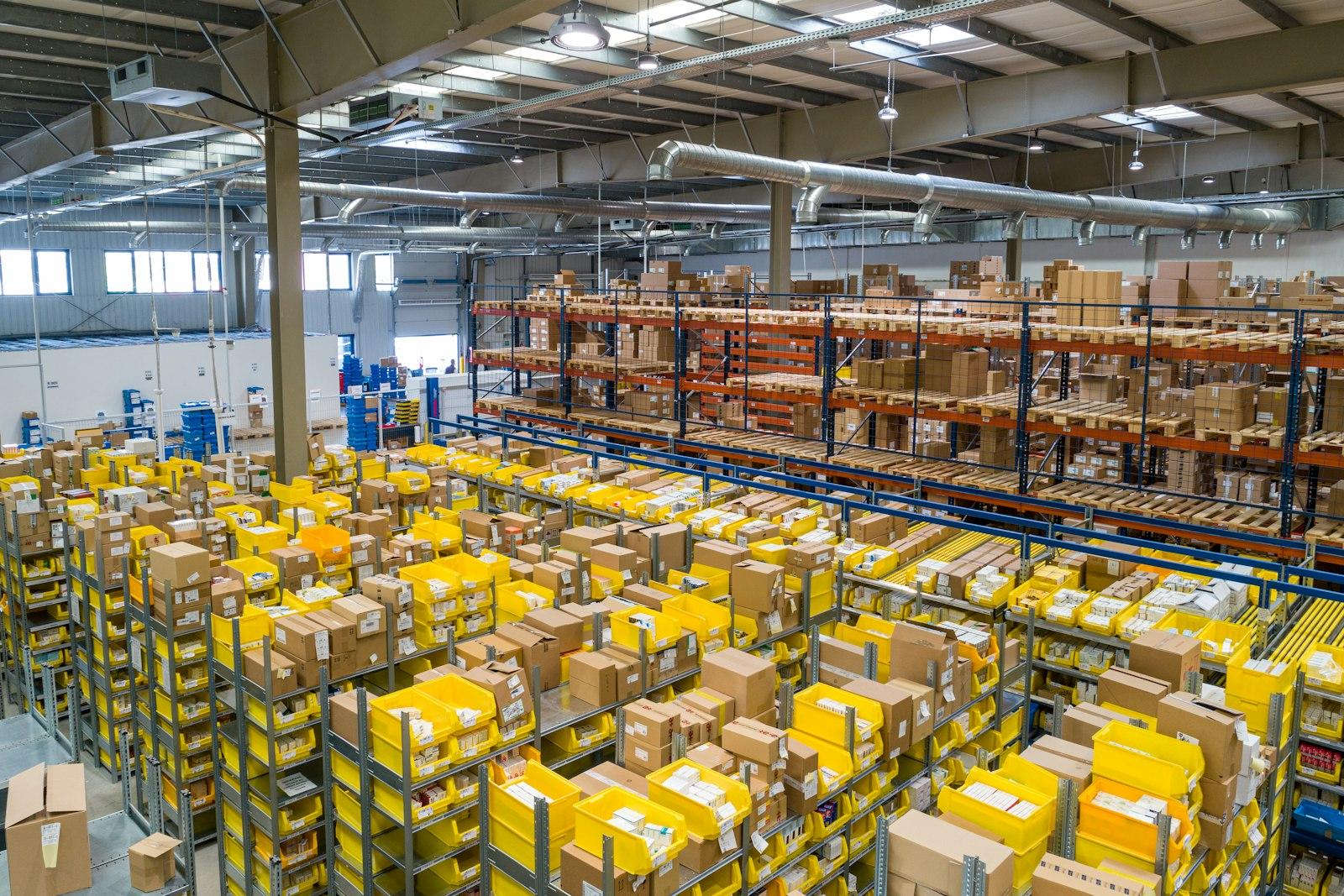
Recorded as it happens, not afterwards
The gap between a step happening and a step being written down is where accuracy goes. Milestones are designed to be captured on a phone, at the moment, by whoever is nearest the work.
Reconstructing a timeline at the end of the month from memory, photos and a WhatsApp thread produces a plausible document rather than an accurate one. The difference is invisible until somebody asks a specific question about a specific day.
Typed steps, not free text
Milestones are typed, so a timeline is comparable across batches and a buyer knows what they are looking at. Anything that does not fit the standard types can be recorded as a custom step rather than forced into the wrong one.
Free text feels more flexible and costs you the ability to compare anything. Two people writing "QC" and "quality check" have produced two different categories, and nobody notices until a buyer asks how many batches passed inspection.
- Harvest, processing, quality check, packaging, shipping, delivery
- Custom steps for anything specific to your process
- Location and coordinates on each step
- Performed-by and role, so the record has a name against it
Evidence attached where it belongs
Photos and documents are uploaded against the step they document, not into a folder to be matched up later. Each milestone is fingerprinted as it is written, so the sequence is fixed once recorded.
Recorded by whoever is nearest the work
The person who packed the batch is the person who knows what happened to it. Capture is designed for that person on that day, rather than for an office reconstructing it later.
Each step carries a name and a role, so a question about a step has somebody to put it to. Location is captured with the step, so "where was this packed" is answered by the record rather than by memory.
What a completed timeline is worth
The timeline is the part of the record a buyer reads most closely, because it is the part that is hardest to fabricate after the fact and the easiest to check against their own expectations.
- It shows the order things happened in, which is often the actual compliance question.
- It shows the gaps — a batch that sat for three weeks between packing and shipping is visible rather than implied.
- It carries names and places, so a question about one step has somebody to ask.
- It is fingerprinted step by step, so a later insertion is detectable.
Photos are evidence, not decoration
A photograph taken at the step, attached to the step, is the cheapest evidence in the whole record and the one most often skipped.
It settles arguments that documents cannot. Condition on arrival, how a pallet was stacked, what a seal looked like before it left — these are the questions that come up after a dispute has already started, when nobody can go back and look.
Photos sit inside the fingerprint along with everything else, so a picture cannot be swapped for a better one later without the record saying it was amended.
The honest limit
A timeline records what you tell it. It does not verify that a step happened, and it cannot tell you that a step is missing — only that one was never recorded.
What it does change is who carries the burden of remembering. The system will not catch an omission for you, but it makes an omission visible to the reader instead of hiding it inside a document that looks complete.
Questions
About this page
The questions this page actually answers, rather than a site-wide FAQ restated.
Record one batch and see
Free to start. No card, no sales call — create a batch and share the verification link.