Documentation should not be the barrier
Regulations like the EU's Digital Product Passport assume a compliance function most small exporters do not have. The requirement is structure, not headcount.
Built for exporters without a compliance department.
The asymmetry
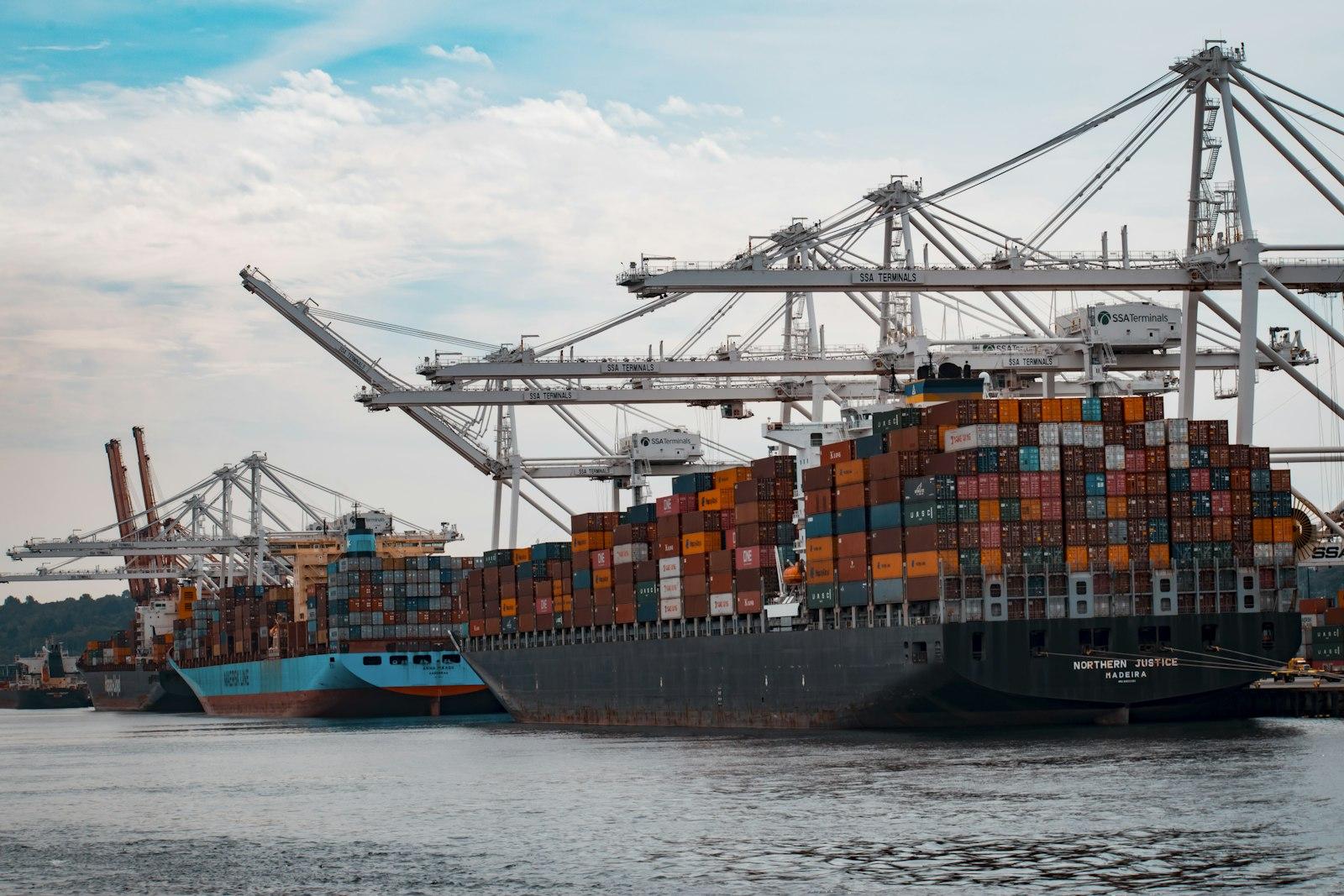
Large exporters absorb new documentation requirements with staff. Smaller ones face the same rules with the same deadlines and none of the overhead, which is how a documentation requirement quietly becomes a market barrier.
The rules themselves are usually not written to exclude anyone. The exclusion happens in the implementation, where the cost of compliance is close to fixed regardless of how much you ship — the same forms, the same evidence, the same deadlines, spread over far fewer containers.
What structure buys you
Most of what these frameworks ask for is data you already have — origin, dates, certifications, who handled it and when. Recording it in a structured form as you go turns a compliance project into a by-product of running the batch.
The difference between having the information and being able to produce it is almost entirely a matter of where it lives. Origin is in somebody's head, dates are in a spreadsheet, certificates are in an inbox, and the timeline is in a WhatsApp thread. Every one of those is data you have; none of them is evidence you can hand over.
- Templates that start from the expected steps
- Structured fields instead of free-form documents
- A shareable record in three formats, from one entry
Which frameworks this is shaped around
The data model is built around the requirements exporters into these markets are most often asked to satisfy. Each has its own page setting out what it asks for.
| Framework | Market | What it mostly asks of an exporter |
|---|---|---|
| EU Digital Product Passport | European Union | A structured, shareable record per product or batch |
| REACH | European Union | Substance declarations traceable to the batch |
| FDA food safety | United States | Traceability records retrievable within a set time |
| GCC halal | Gulf states | Certification and handling evidence, end to end |
Naming a framework here is a statement about how the records are structured, not a certification we hold and not an endorsement from the regulator.
What actually costs money
The expensive part of a documentation requirement is rarely the requirement itself. It is the working pattern that grows up around not being ready for it.
- Time spent assembling evidence, taken from whoever knows the shipment best.
- Delay at the border while a missing or contested document is resolved, with storage accruing.
- Orders declined because the answer could not be produced within the buyer's window.
- Rework when the same question is asked again by a different buyer next quarter.
None of those appear as a compliance cost in any budget. They appear as slow months, and they are why the barrier is felt long before anybody is ever penalised.
Start small
You do not need to convert your whole operation. One batch, recorded properly, is enough to see whether the format answers what your buyers actually ask for — and to find out before a deadline rather than after one.
The useful test is not whether the software is pleasant to use. It is whether the link you can send at the end of it answers the question your buyer sends you every quarter. That takes one batch to find out.
One batch from creation to the link a buyer opens.
See what a finished record looks likeThe honest limit
Structure removes the overhead of producing evidence. It does not tell you which markets you can sell into, and it does not confirm that your product meets a destination's requirements.
Those answers depend on the product, the destination and often the buyer's own policy, and they belong with your certifier and your customer. What changes here is that when the question is asked, the evidence behind your answer already exists.
Questions
About this page
The questions this page actually answers, rather than a site-wide FAQ restated.
Record one batch and see
Free to start. No card, no sales call — create a batch and share the verification link.